
How Deep Should Screw Piles Go? Depth Factors Explained
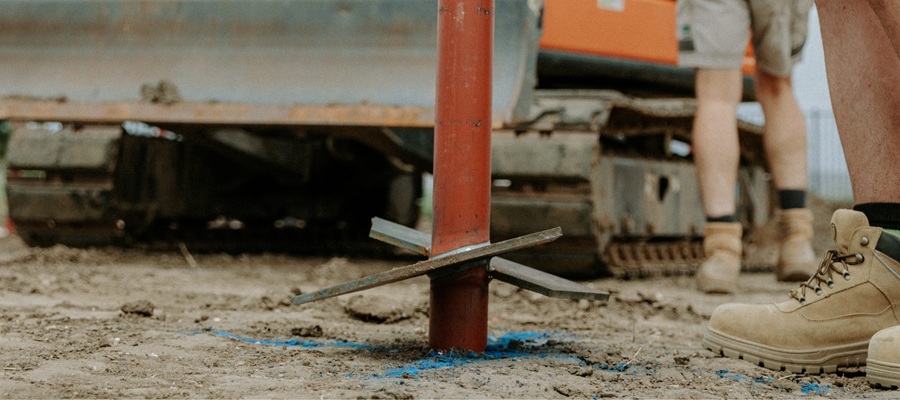
Wondering how deep screw piles should go for your construction project? There’s no single answer – depth depends on your soil type, structural load, and site conditions. But here’s what matters: most screw pile depths in Australia range from 3 to 12 metres for standard projects, though they can reach 30+ metres when soil conditions demand it.
The real secret? Your screw piles need to reach stable, load-bearing soil – and installation torque tells you when you’ve hit it. Let’s unpack the details.
Screw Pile Depth Guide
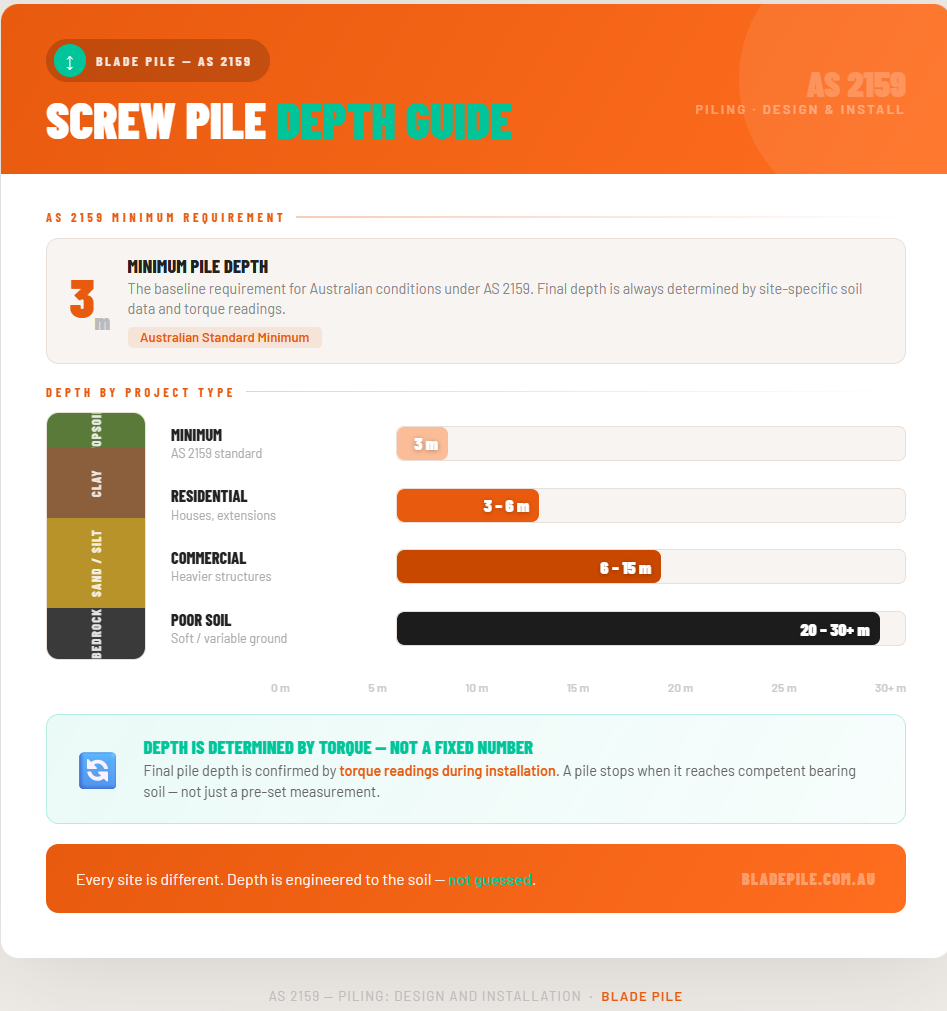
- Minimum depth: Typically 3 metres in Australian conditions (AS 2159 standard)
- Residential projects: Usually 3-6 metres, depending on soil and structure weight
- Commercial structures: Often 6-15 metres for heavier loads
- Poor soil conditions: Can extend to 20-30+ metres to reach competent bearing strata
- Final depth is determined by torque readings during installation – not just a predetermined measurement
Screw Pile Depth Requirements in Australia
Australian screw pile depth requirements are governed by AS 2159-2009 (Piling – Design and Installation). This standard mandates that screw piles must reach soil with adequate bearing capacity to support your structure’s load. The screw pile depth in Australia isn’t based on guesswork – it’s calculated from geotechnical soil reports and verified during installation through torque monitoring.
Before any installation begins, you’ll need a geotechnical investigation. This soil testing identifies the depth to competent bearing layers and determines what your site needs. A licensed engineer then designs your piling system based on this data, calculating the depth required to achieve the specified load capacity.
The AS 2159-2009 standard also requires that installation continues until the measured torque confirms the pile has reached its design capacity. This means two piles on the same site might end up at different depths if they encounter varying soil conditions.
How Deep Should Screw Piles Go in Different Soil Types?
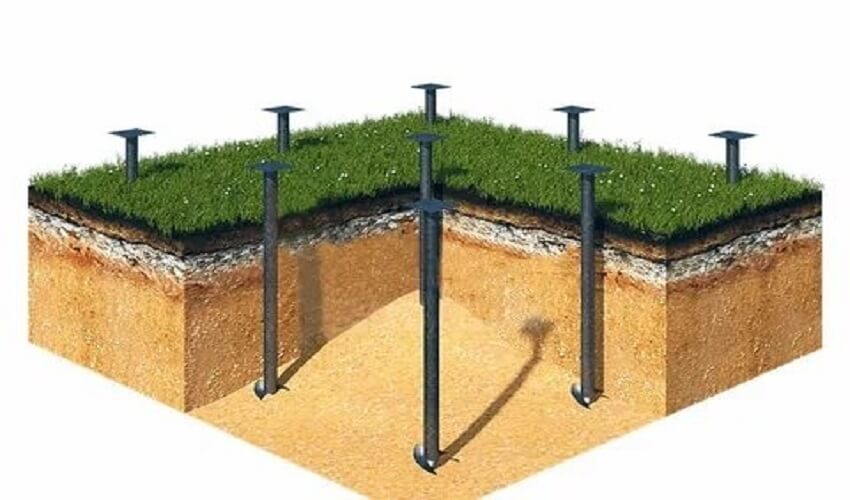
The question “how deep should screw piles go?” always comes back to what’s under your site. Here’s how common Australian soil types affect depth:
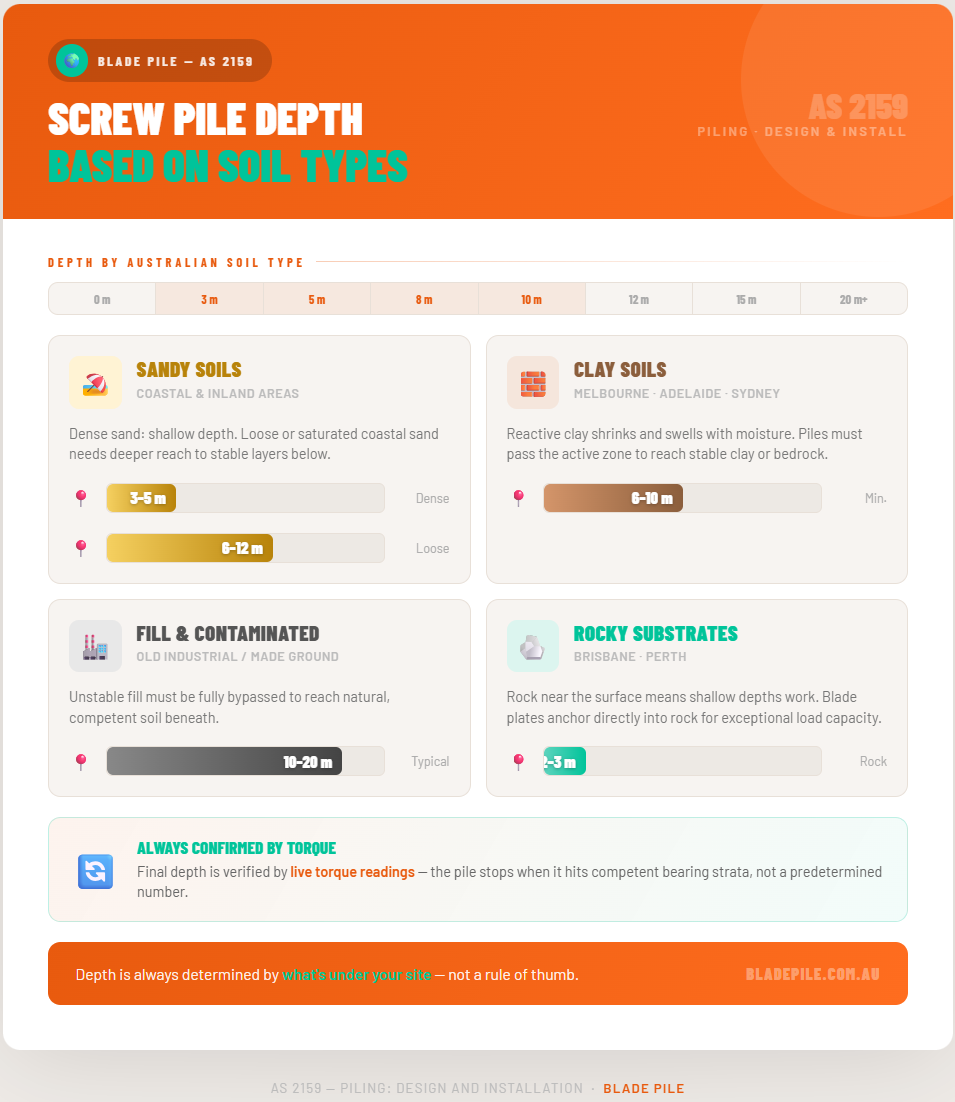
Dense sand provides excellent bearing capacity. In compact sand, you might only need 3-5 metres. But loose or saturated sand (common in coastal areas) requires deeper installation – often 6-12 metres – to reach stable, dense layers below.
Reactive clay is widespread across Melbourne, Adelaide, and parts of Sydney. Clay’s tendency to shrink and swell with moisture fluctuations means screw piles typically go deeper here – 6-10 metres minimum. The piles need to penetrate past the active moisture zone and reach stable clay or bedrock below.
Building on old industrial sites or made ground? Your piles might need to go 10-20 metres to bypass unstable fill and reach natural, competent soil underneath.
When solid rock sits close to the surface (common in parts of Brisbane and Perth), depths as shallow as 2-3 metres might work. The helical plates anchor directly into the rock, providing exceptional load capacity.
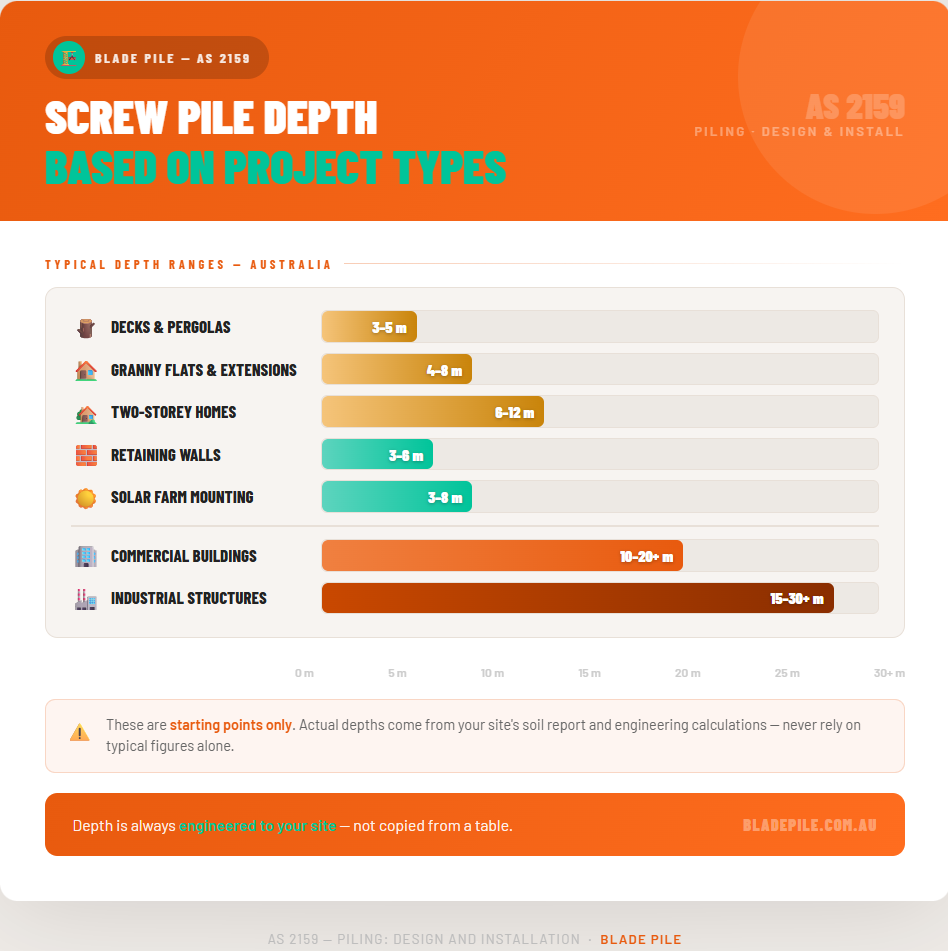
Typical Depth Ranges for Common Projects
Here’s what real-world screw pile depth specifications look like in Australia:
- Residential Decks and Pergolas: 3-5 metres
- Granny Flats and Extensions: 4-8 metres
- Two-Storey Homes: 6-12 metres
- Retaining Walls: 3-6 metres (varies with wall height and soil pressure)
- Solar Farm Mounting: 3-8 metres (depends on wind loads and soil)
- Commercial Buildings: 10-20+ metres
- Industrial Structures: 15-30+ metres in challenging conditions
These are starting points only. Your actual depths come from your site’s soil report and engineering calculations – never rely on “typical” figures alone.
What Determines Your Guide to Screw Pile Depth?
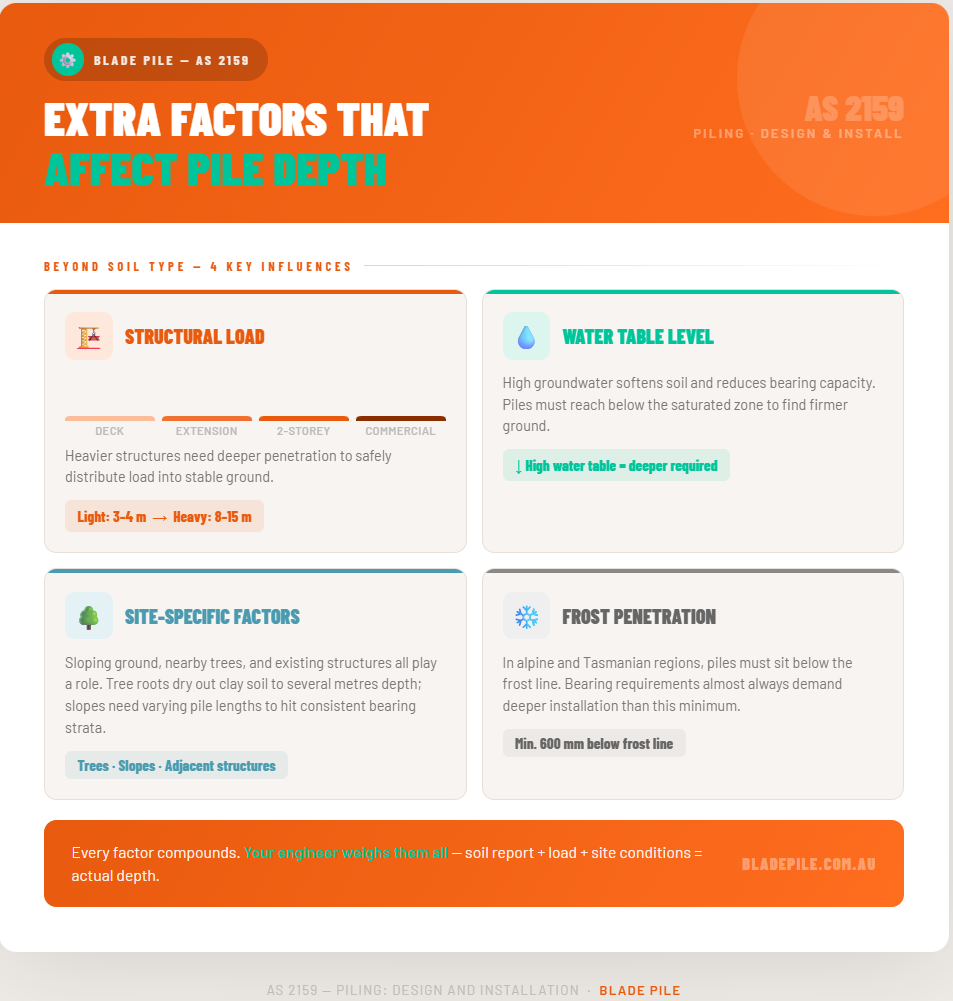
Beyond soil type, several factors influence how deep your screw piles need to go:
A lightweight deck might only need piles driven 3-4 metres deep. But a two-storey extension or commercial building generates far higher loads, demanding deeper penetration – sometimes 8-15 metres – to distribute that weight safely into the ground.
High water tables soften soil and reduce its bearing capacity. If your site has groundwater close to the surface, expect deeper installations to reach firmer soil below the saturated zone.
Sloping ground, nearby trees (whose roots affect soil moisture), and existing structures all play a role. Trees can dry out clay soil to several metres depth, while slopes may require piles of varying lengths to hit consistent bearing strata.
In colder Australian regions like the Alps and Tasmania, piles must sit below the frost line – typically 600mm minimum – though this rarely drives overall depth since bearing requirements usually demand deeper installation anyway.
Why Torque Matters More Than Depth Alone
Here’s something many people don’t realise: screw pile installation isn’t about hitting a specific depth number. It’s about achieving the required torque.
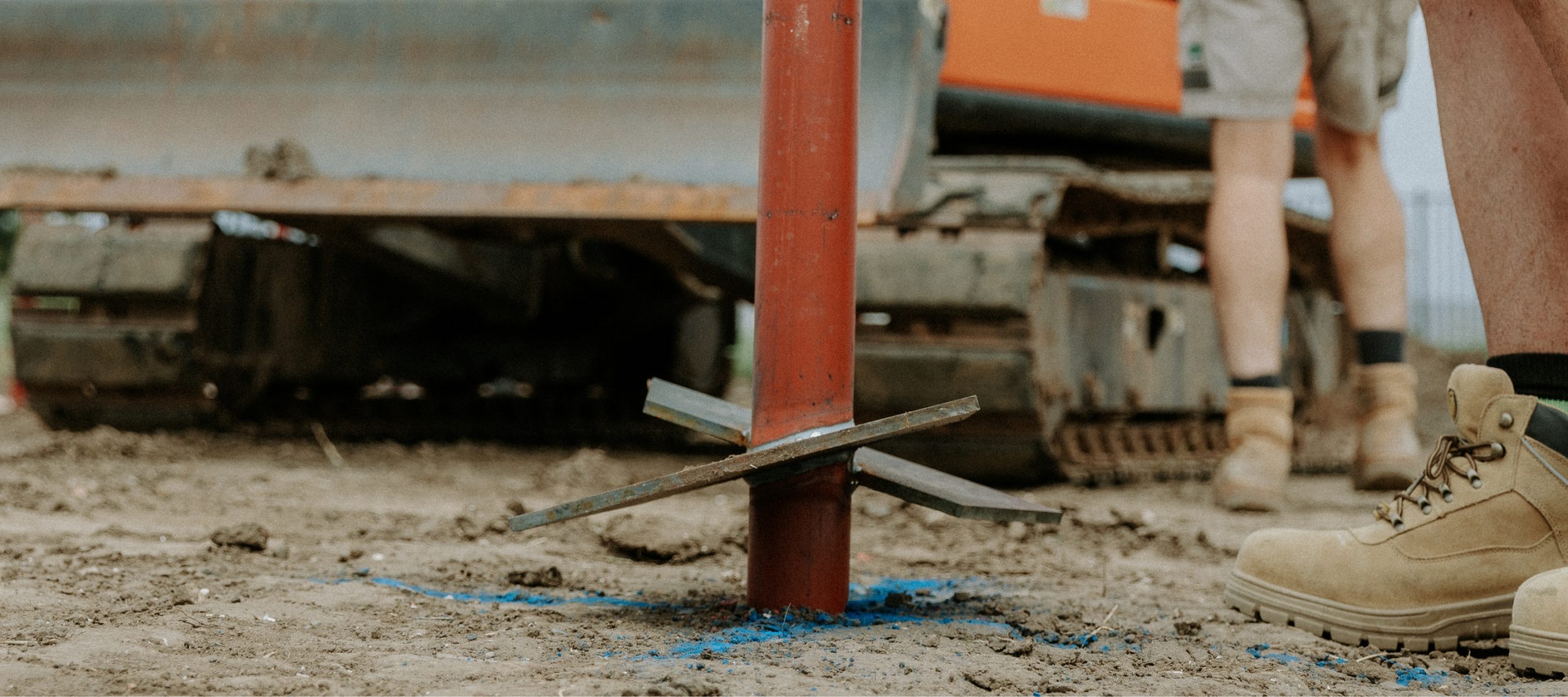
During installation, hydraulic drive heads monitor the rotational force (torque) needed to screw the pile into the ground. As the pile descends and encounters denser, more stable soil, the torque increases. When torque reaches the target value (calculated during design), installation stops. The pile has reached competent bearing strata.
This torque correlation method (specified in AS 2159) provides real-time confirmation that each pile can support its design load. You might have five piles on one site that finish at 4.2m, 5.1m, 4.8m, 5.3m, and 4.9m – all different depths, but all achieving the same load capacity because they’ve all reached the required torque in suitable soil.
For major projects, physical load testing verifies this further. A test load is applied to an installed pile to measure its actual performance under pressure.
Planning a Foundation That Won't Let You Down?
At Blade Pile, we’ve installed thousands of screw piles across Australian soil conditions – from Sydney’s reactive clay to Perth’s sandy sites. Our geotechnical assessments and torque-monitored installations ensure your piles reach the right depth every time, backed by engineering certification and AS 2159 compliance.
Get a site-specific screw pile assessment from our team – we’ll tell you exactly how deep your piles need to go and why. Contact Blade Pile today for expert screw piling services across Australia.
Applications of Screw Piling You Should Know
So, how deep should screw piles go? In Australia, the answer starts at 3 metres minimum for most projects but extends as deep as your soil and structural requirements demand. With proper geotechnical investigation, engineering design following AS 2159, and torque-monitored installation, your screw piles will reach exactly the depth needed to support your structure safely for decades.
Understanding depth is just one part of the picture. Screw piles work brilliantly for residential, commercial, and infrastructure projects because they adapt to site conditions. Whether you’re building on slopes, near waterways, or in urban areas with access restrictions, the depth flexibility of screw piles makes them a go-to solution.
Different applications of screw piling in construction demand different depths. Solar farms, for instance, need thousands of piles driven quickly and cost-effectively – often 4-8 metres deep. Meanwhile, bridge abutments might require 20+ metre depths to handle massive lateral loads.
Choosing the right piling company in Australia means working with engineers who understand these nuances and can design for your specific requirements.
Don’t guess your foundation depth – get it engineered right the first time.
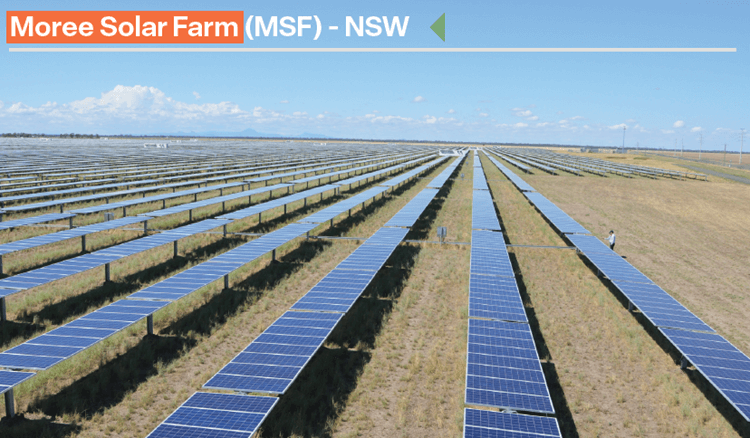
32,000 Solar Blade Piles supplied and installed
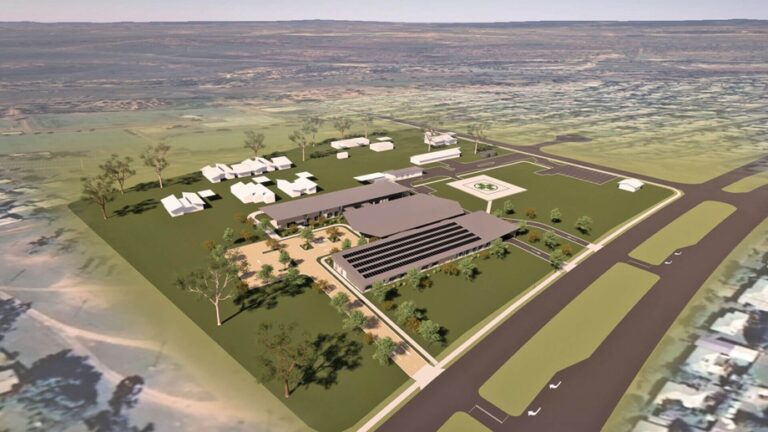
Over 500+ galvanised screw piles
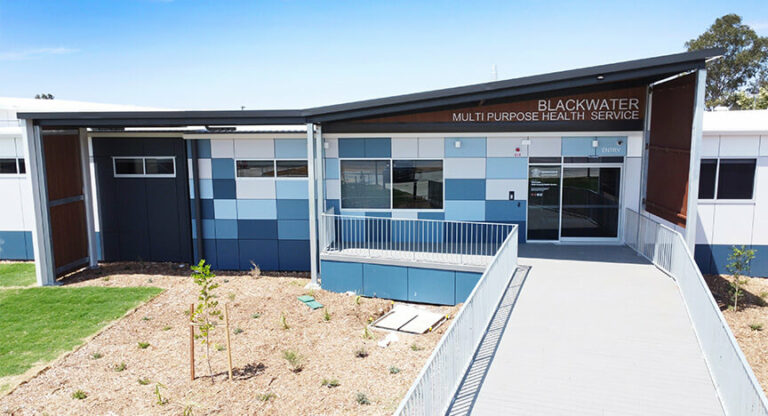
Over 275+ galvanised screw piles
Contact
Blade Pile
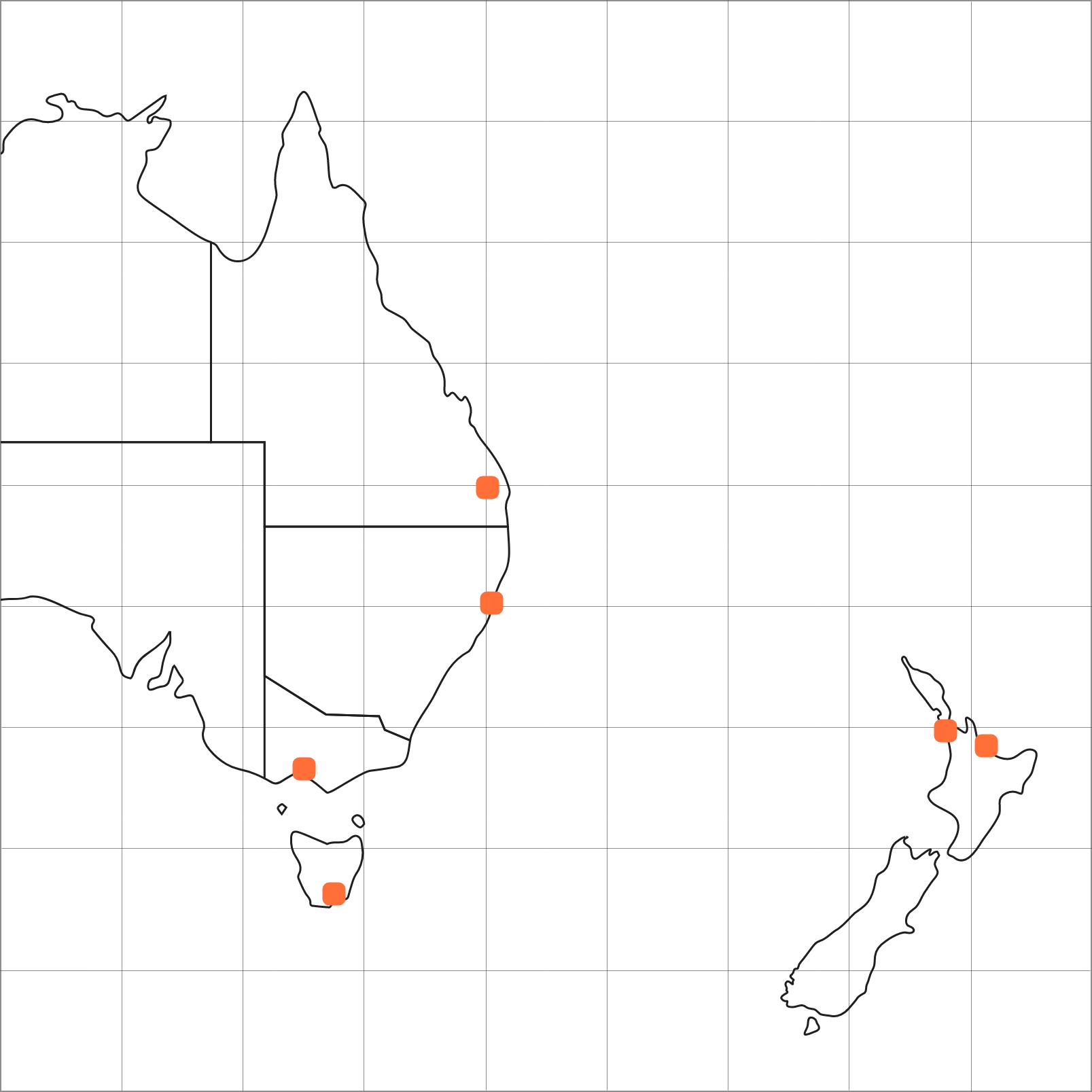
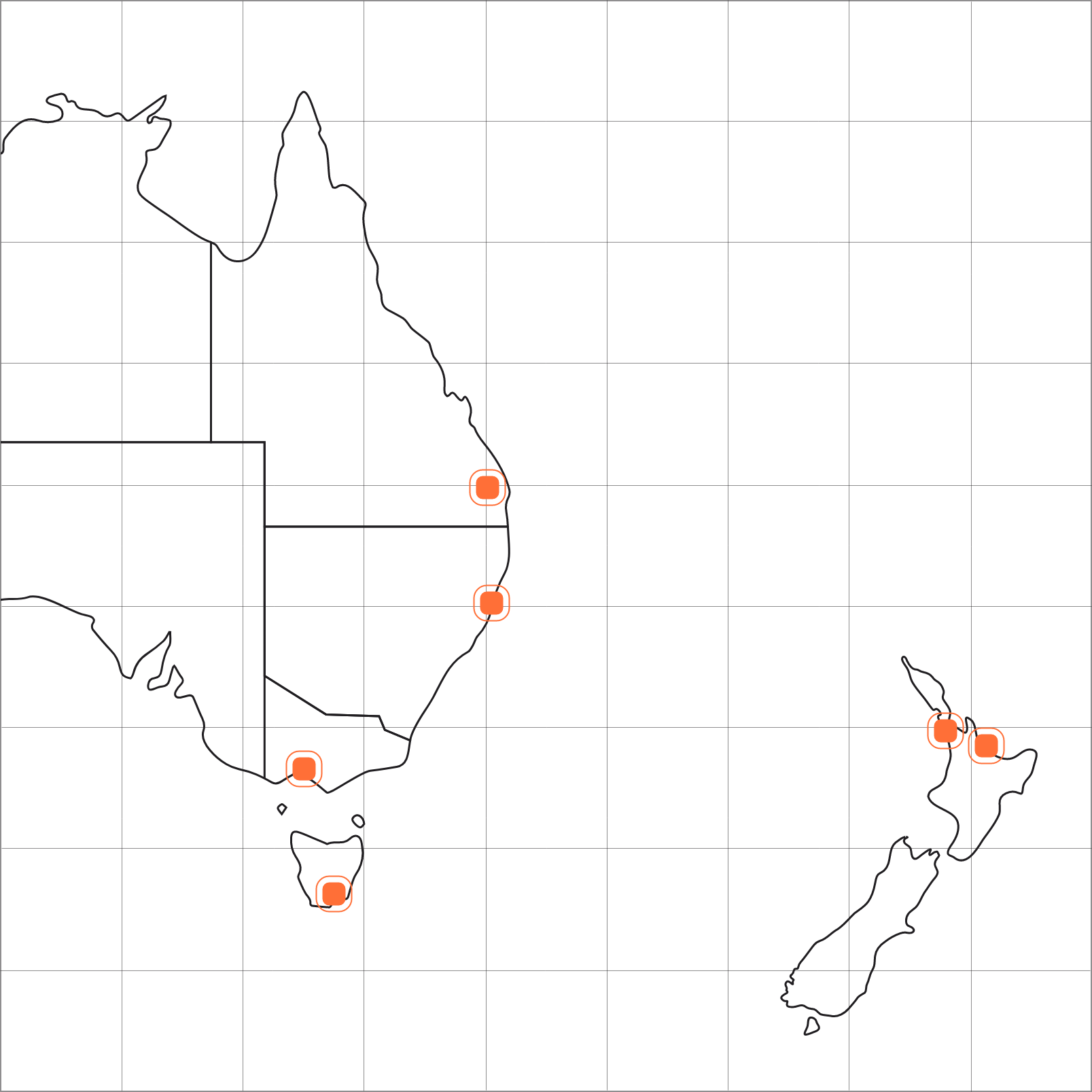
NSW Master Distributor – Solid Metal Piling
41 Topham Road, Smeaton Grange NSW 2567
TAS Master Distributor – Channel Earthmoving
Contact Us !

In his capacity as National Manager, Josh spearheads Blade Pile Group’s business development and growth into new markets.
Since joining the organisation in 2018, Josh has brought a diverse knowledge base and bank of experience in construction, business management, logistics and team leadership to the Blade Pile Group.