
Screw Pile Design: How Specification Meets Site Conditions
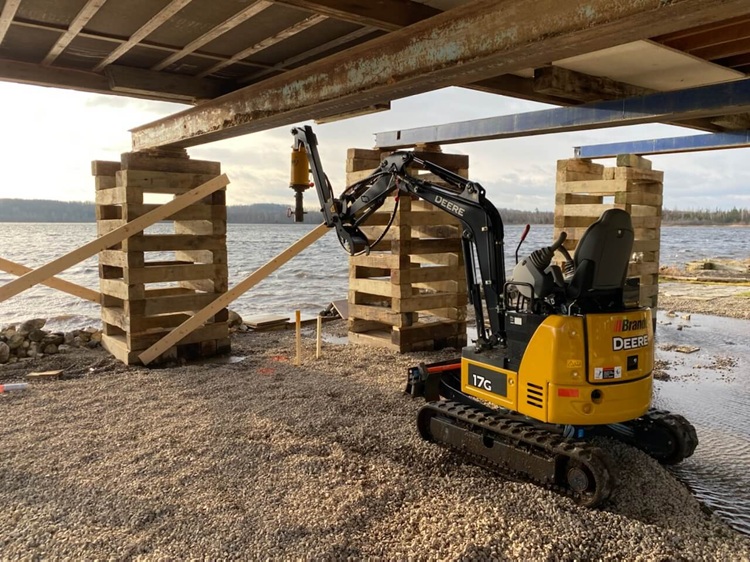
Every project starts with a structural load and a piece of ground, and the screw pile design process is about turning those two inputs into a pile specification that will support the structure for its full design life. Get it right, and the foundation disappears into the background. Get it wrong, and you find out the hard way.
Here’s what you need to know about screw pile load calculation.
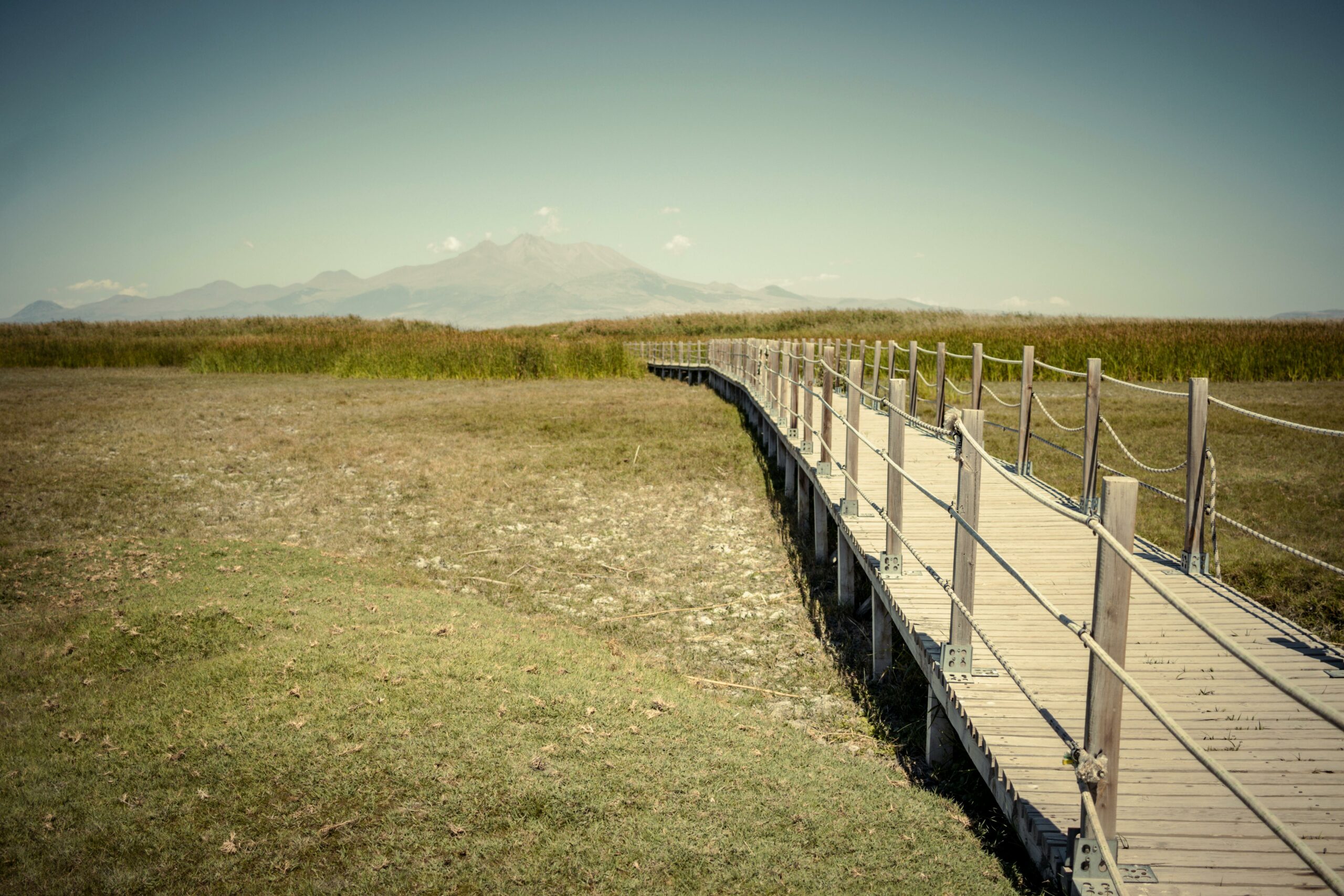
What Screw Pile Design Has to Account For
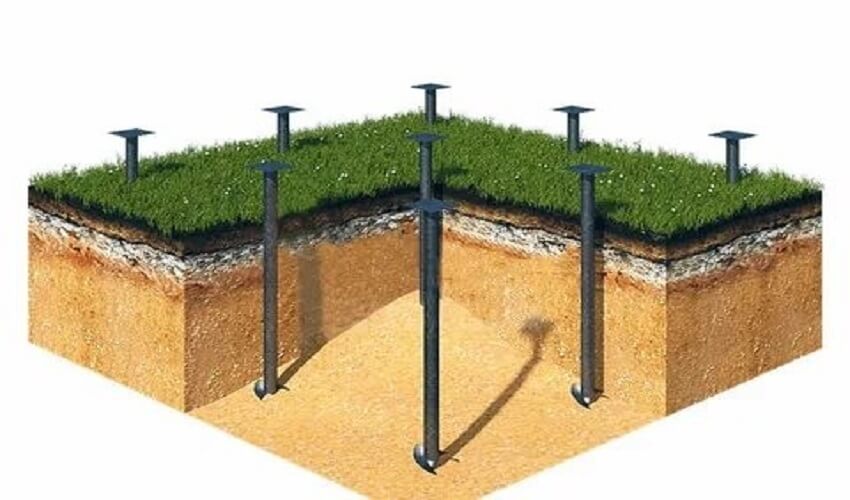
A screw pile is a galvanised steel shaft with one or more helical blades welded near the tip. It’s rotated into the ground with a hydraulic torque motor until the blade reaches a soil layer capable of carrying the load. Simple in concept, but the design process must balance several variables that interact with one another.
The structural engineer specifies the load per pile based on the building above. The geotechnical engineer reports on:
- Soil layers
- Groundwater, and
- Capacity at depth.
The pile designer then chooses:
- Shaft diameter
- Blade diameter
- Blade thickness
- Helix configuration, and
- Design embedment so the pile carries the required load with an appropriate factor of safety.
Screw piles come in several types of screw piles, and the chosen type has to suit not just the load but the soil profile and the install access on the day.
How to Calculate Screw Pile Load Capacity
If you want to know how to calculate screw pile load capacity, it comes down to two methods working together. Theoretical capacity is calculated from soil parameters using bearing capacity equations, with the helix acting as a deeply embedded plate that transfers load to the underlying soil layer. The calculation accounts for soil shear strength, helix area, embedment depth, and overburden pressure, and it gives the design capacity used to select the pile spec.
Installed capacity is then verified during install. A hydraulic torque motor measures the resistance the pile encounters as it rotates into the ground, and that torque value correlates back to the load the pile will carry. Australian practice ties this verification to the design through standardised torque-to-capacity relationships, with the pile installed to a target torque rather than a target depth.
This dual approach is one reason screw pile load calculation has become so reliable on Australian projects. Theoretical calculations provide the engineer with a basis for specifying the pile, and torque verification provides instant confirmation that the installed pile matches the design.
Soil, Depth, and the Geotech Conversation
Load calculation lives or dies on the geotechnical report. The report has to identify the soil layers in the profile, classify each, provide shear strength parameters, and flag groundwater. Without that data, the designer is left to guess.
Soil type changes everything. Stiff clays carry load well in end bearing under the helix, sands rely more on friction along the shaft and bearing under the helix, and soft layers often have to be bypassed entirely until the pile reaches competent ground below. The question of how deep should screw piles go usually answers itself once the geotech identifies the first layer that can carry the load.
Embedment is also driven by uplift requirements, lateral load, and seasonal soil movement. A pile in reactive clay needs enough embedment below the active zone to avoid being lifted by ground heave, and a pile under uplift loading needs enough embedment for the soil above the helix to resist pull-out.
Pile Diameter, Blade Thickness, and Helix Configuration
With load and depth known, the designer selects the shaft, blade, and helix arrangement. Shaft diameter is selected for axial capacity, buckling resistance, and torsional strength during installation. Larger shafts handle higher loads and resist bending under lateral forces, but they also need bigger torque heads to install.
Blade thickness selection for screw piles is driven by installation forces and design life. A thicker blade resists bending during installation in dense soils and provides a longer corrosion allowance in aggressive ground. The trade-off is between cost and weight, so the design balances structural needs with environmental conditions and the project budget.
Bearing plate configuration for screw piles refers to the helix arrangement at the tip of the pile. A single helix is the simplest configuration and is common in residential applications. Multi-helix piles add plates spaced along the shaft, increasing capacity by mobilising more soil and improving performance in mixed soil profiles. The number, diameter, and spacing of helices are part of the design decision, and the right configuration depends on the soil layers the pile passes through and anchors into.
All of these decisions sit within the framework set by AS 2159, the Australian standard for piling, which governs design, materials, and installation verification for piled foundations on Australian projects.
How Blade Pile Approaches Screw Pile Design
Blade Pile is the largest end-to-end ISO-certified screw pile manufacturer and installer in Australia, and that single fact changes how design decisions get made on a project. Because the same business engineers, manufactures, and installs the pile, the design loop is short. A geotech report comes in, the design team specifies the pile, the manufacturing team produces it to spec, and the install crew verifies it on the ground with torque data.
Every Blade Pile installation is engineered to AS2159-2009 and AS2870-2011, manufactured under ISO 9001 quality systems, and installed under ISO 14001 and ISO 45001 environmental and safety systems. For more on how the install side ties back to the design, our guide to screw pile installation walks through the field side of the process.
Let’s Get Your Project Specified
If you’re scoping a project that requires piled foundations, get in touch to discuss the load case, soil profile, and access constraints. Blade Pile will quote a screw pile design that suits the conditions, manufacture the piles to spec, and install them under one accountable supplier.
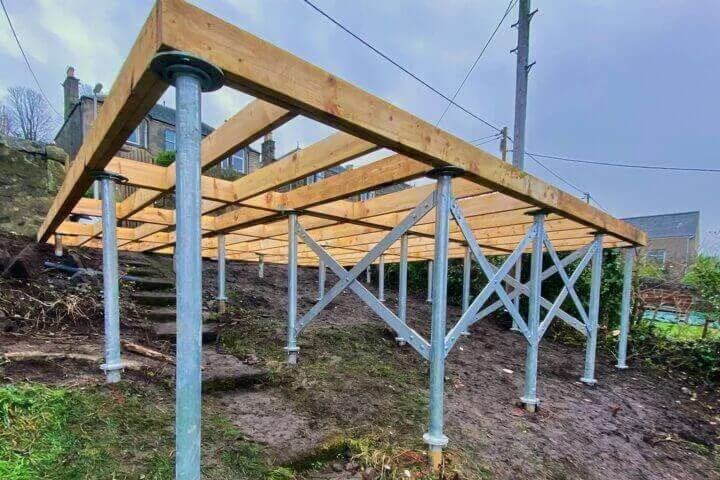
Frequently Asked Questions
Screw pile load capacity is calculated using soil parameters from the geotechnical report and the geometry of the pile, with the helix acting as a deeply embedded bearing plate. The theoretical capacity is then verified during installation by measuring the torque required to rotate the pile to its design depth, with torque values correlating to load capacity through established relationships in Australian practice.
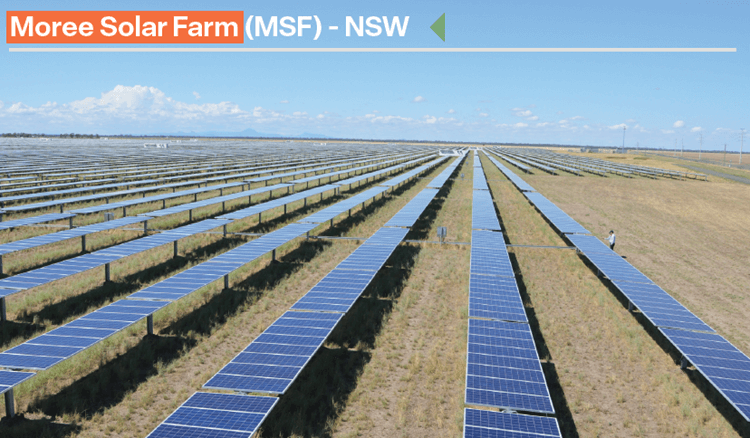
32,000 Solar Blade Piles supplied and installed
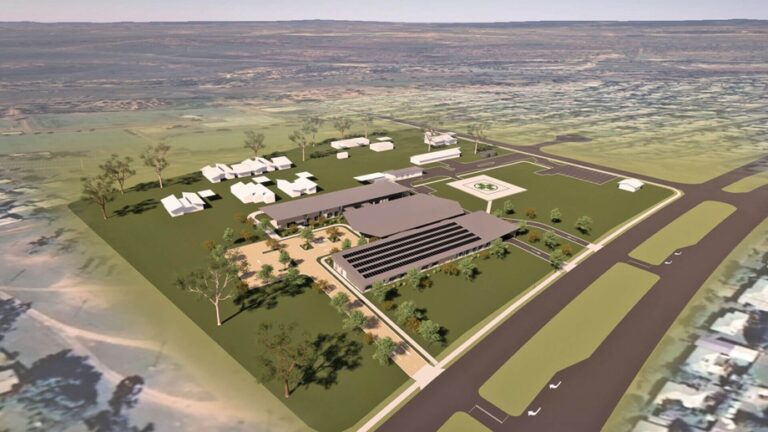
Over 500+ galvanised screw piles
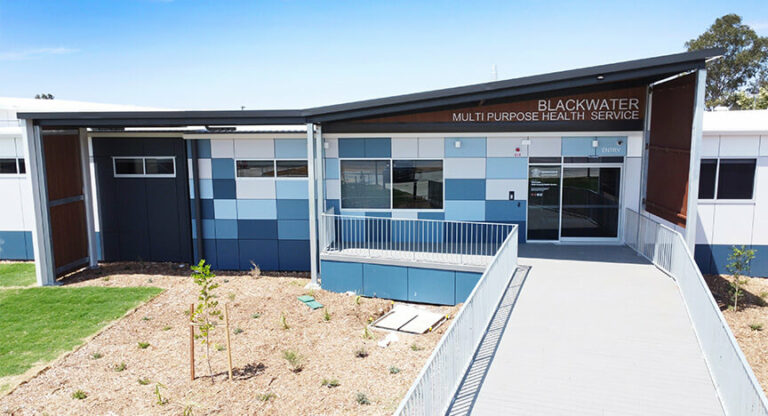
Over 275+ galvanised screw piles
Contact
Blade Pile
NSW Master Distributor – Solid Metal Piling
41 Topham Road, Smeaton Grange NSW 2567
TAS Master Distributor – Channel Earthmoving
Contact Us !

In his capacity as National Manager, Josh spearheads Blade Pile Group’s business development and growth into new markets.
Since joining the organisation in 2018, Josh has brought a diverse knowledge base and bank of experience in construction, business management, logistics and team leadership to the Blade Pile Group.