
Ground Conditions for Screw Piles: What the Soil Tells You and Why It Matters
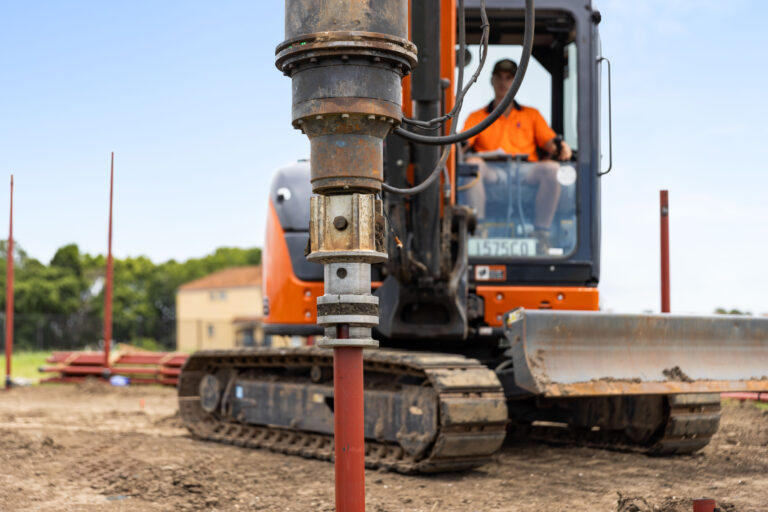
The structure above can be designed perfectly, but if the foundation doesn’t suit the soil underneath, the rest of the engineering counts for nothing. Understanding ground conditions for screw piles is the single most important step in getting a piled foundation right.
Here’s how different soil types affect screw pile performance, what a geotechnical investigation looks for, and how the results shape every decision from pile selection through to installation depth.
The Geotechnical Investigation: Where Every Project Should Start
Before a pile is placed in the ground, the ground itself needs to be understood. A geotechnical investigation involves drilling boreholes or conducting penetrometer tests across the site to identify soil layers, classify their strength, measure groundwater levels, and flag any factors that could affect pile performance. The output is a geotechnical report, and it’s the document the engineer uses to specify the pile.
A useful geotech report identifies the soil profile at the pile locations, gives shear strength parameters for each layer, recommends pile type and depth, and provides expected load capacities. Without it, the screw pile assessment for site conditions is guesswork. The report also directly meets the requirements of AS 2159, the Australian standard for piling, which governs the design, durability, and installation verification of all piled foundations on Australian projects.
How Soil Type Affects Screw Pile Performance
Australian building sites yield a wide range of soils, and each behaves differently under a screw pile. Here’s how the most common soil types affect screw pile performance.
Clay
Stiff to hard clays are excellent bearing soils for screw piles. The helix acts as a deeply embedded plate that transfers load directly into the clay below, and the clay above the helix resists uplift. The challenge with clay is reactivity. Highly reactive clays swell with moisture and shrink when they dry, and that seasonal movement can affect shallow foundations. Screw piles bypass the problem by anchoring below the active zone, which is one reason they are often chosen over slabs on reactive sites. The question of how deep should screw piles go in clay is usually answered by the depth at which the soil stops moving seasonally.
Sand
Loose to medium-dense sands carry load through a combination of end bearing under the helix and shaft friction along the pile. Screw piles perform well in sand, but the installer needs to watch for loss of torque in very loose layers, which can signal that the pile has not reached competent ground. In those cases, the pile is driven deeper until the helix sits into a denser layer or a different soil stratum below the sand.
Rock and Refusal Layers
Shallow rock or dense gravel can prevent a screw pile from reaching its design depth. The geotech report flags where rock sits in the profile so the designer can plan for it. In some cases, the pile bears directly on rock at a shallow depth, which gives high capacity. In others, the rock layer is uneven, and the pile length varies across the site. Torque monitoring during installation catches refusal in real time so the engineer can verify capacity on the spot.
Saturated and Waterlogged Soils
High water tables reduce the effective strength of the soil around the pile and can create uplift pressures on the foundation. Screw piles handle saturated ground well because they are driven rather than poured, which means there’s no concrete to contaminate and no dewatering needed before installation. The geotech report identifies groundwater depth so the engineer can factor it into the design.
Corrosive and Aggressive Ground
Saline soils, acid sulphate soils, and contaminated fills attack unprotected steel over time. The geotech report tests for pH, chloride content, and resistivity to determine how aggressive the ground is. Where soil chemistry is hostile, screw pile foundations in corrosive soil can be specified with additional protective coatings, increased wall thickness, or sacrificial steel allowances to meet the required design life.
What Ground Conditions Are Suitable for Screw Piles?
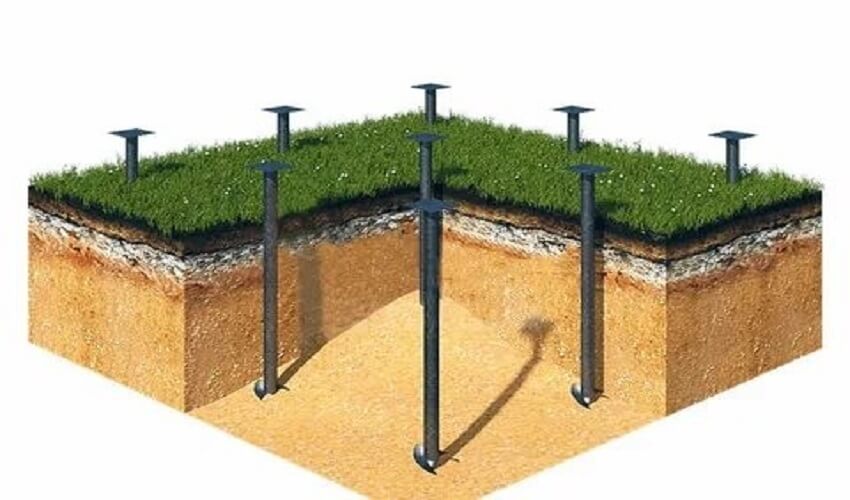
The short answer is most of them. Screw pile performance in different soils spans a wide range, from soft coastal sands through to stiff inland clays, and the product family includes pile sizes and configurations that suit everything from a residential deck to a multi-storey commercial building. The geotech report is what turns the general suitability into a specific recommendation, because it identifies which pile type, diameter, blade configuration, and depth will carry the required load in the ground that is on the site.
Where screw piles are compared with traditional methods on difficult sites, screw piles vs concrete foundations often come out ahead on reactive soils, waterlogged ground, and sites with limited access, because there’s no excavation, no curing, and no spoil to remove.
Torque Verification: Confirming the Design in the Ground
One reason screw piles perform reliably across variable soils is that each pile is verified during installation. A hydraulic torque motor measures the resistance the pile encounters as it rotates into the ground, and that torque reading correlates to the load capacity the pile will deliver. If the torque is low, the pile goes deeper. If the torque reaches the design target early, the pile has hit competent ground sooner than expected.
This real-time verification closes the loop between the geotechnical report and the installed foundation. The geotech tells the designer what to expect, the design specifies the pile, and the torque data confirms that what went into the ground matches what was specified. It’s the reason the screw pile assessment for site conditions doesn’t end with the report but carries through to the install.
Get the Ground Assessed, Then Get the Right Pile
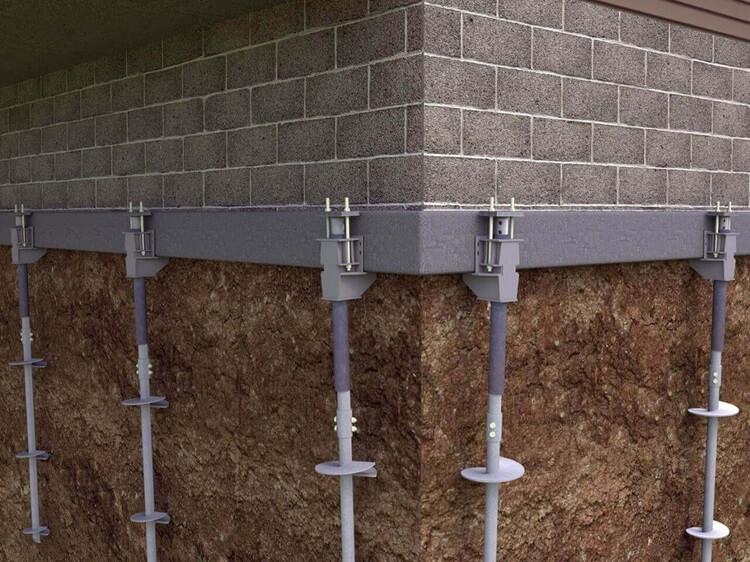
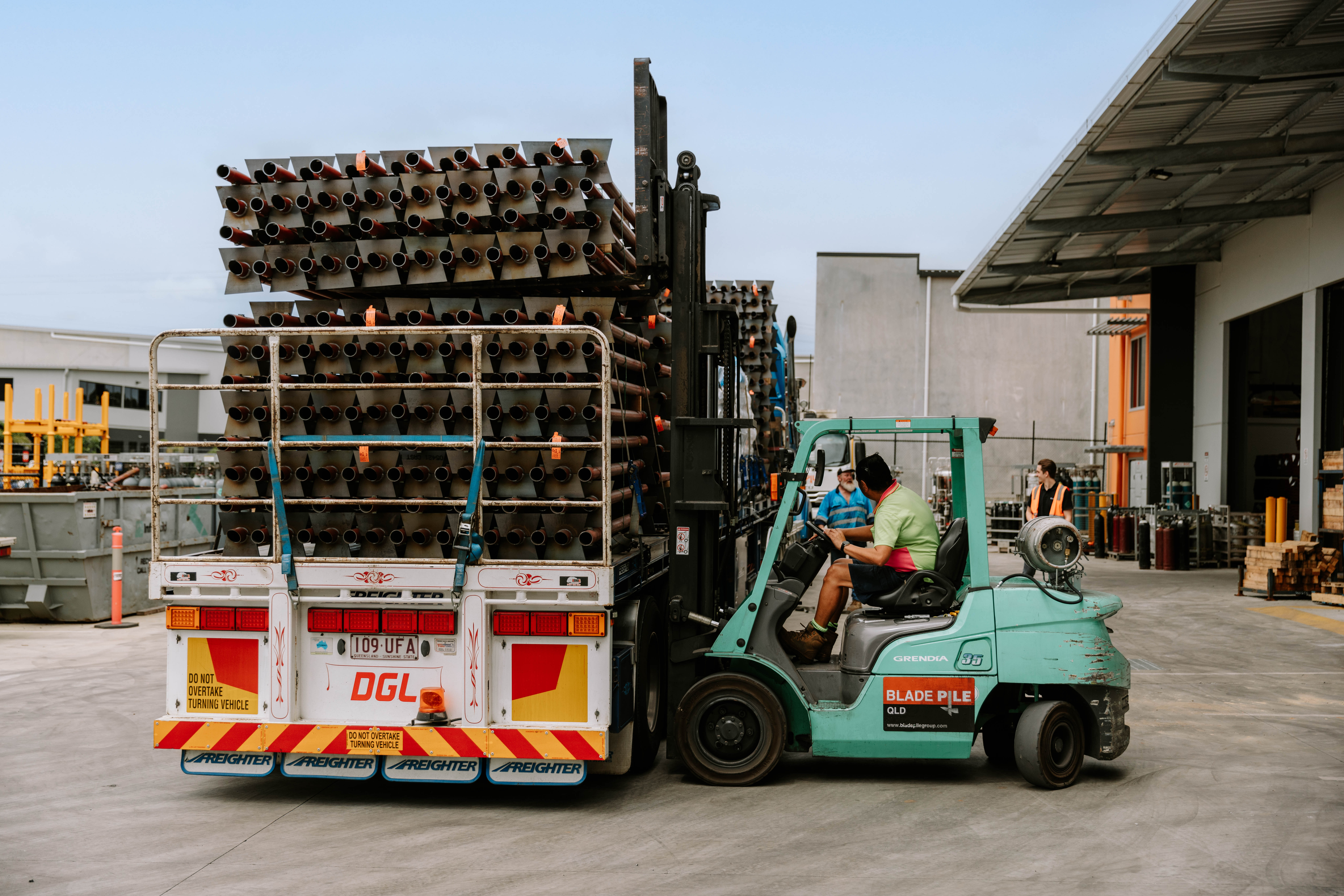
Blade Pile is the largest end-to-end ISO-certified screw pile manufacturer and installer in Australia, holding ISO 9001, 14001, and 45001 across quality, environmental, and safety management. Every foundation is engineered to AS2159-2009 and AS2870-2011, with torque-verified installation on every pile.
If you have a geotech report in hand, send it through, and we will quote the ground conditions for screw piles specification that suits your site. If you are still at the planning stage, get in touch and we can help you scope what the investigation needs to cover.
Frequently Asked Questions
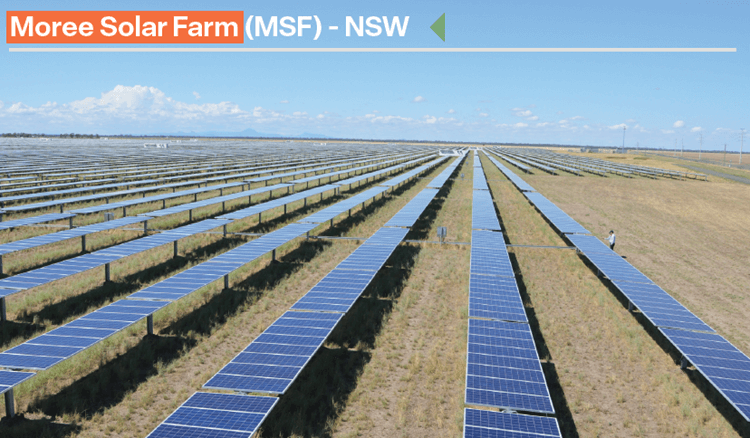
32,000 Solar Blade Piles supplied and installed
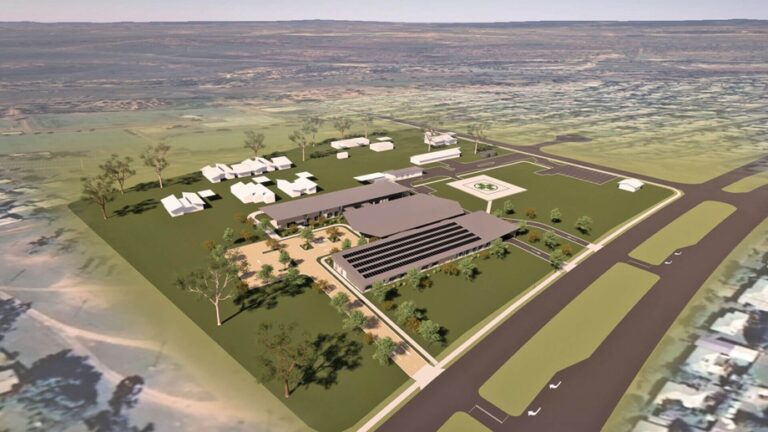
Over 500+ galvanised screw piles
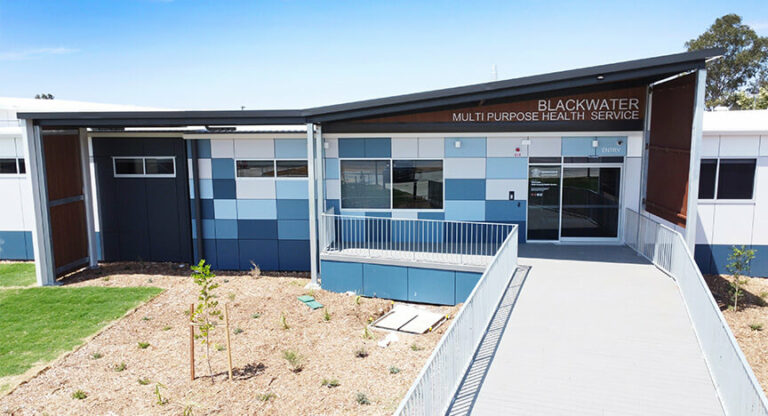
Over 275+ galvanised screw piles
Contact
Blade Pile
NSW Master Distributor – Solid Metal Piling
41 Topham Road, Smeaton Grange NSW 2567
TAS Master Distributor – Channel Earthmoving
Contact Us !

In his capacity as National Manager, Josh spearheads Blade Pile Group’s business development and growth into new markets.
Since joining the organisation in 2018, Josh has brought a diverse knowledge base and bank of experience in construction, business management, logistics and team leadership to the Blade Pile Group.