
Pile Foundations for a Boardwalk: A Practical Guide to Sizing, Spacing, and Soil

Designing a boardwalk or pedestrian bridge can seem straightforward until the foundations are laid. Once you start asking how many piles you need, how deep they should go, and how far apart they can sit, the simple-looking deck above starts pulling on a much bigger engineering conversation. Pile foundations for a boardwalk are where most of those questions get answered.
Here’s why screw piling has become the default system for getting it done.
Why Boardwalks Need a Foundation Conversation of Their Own
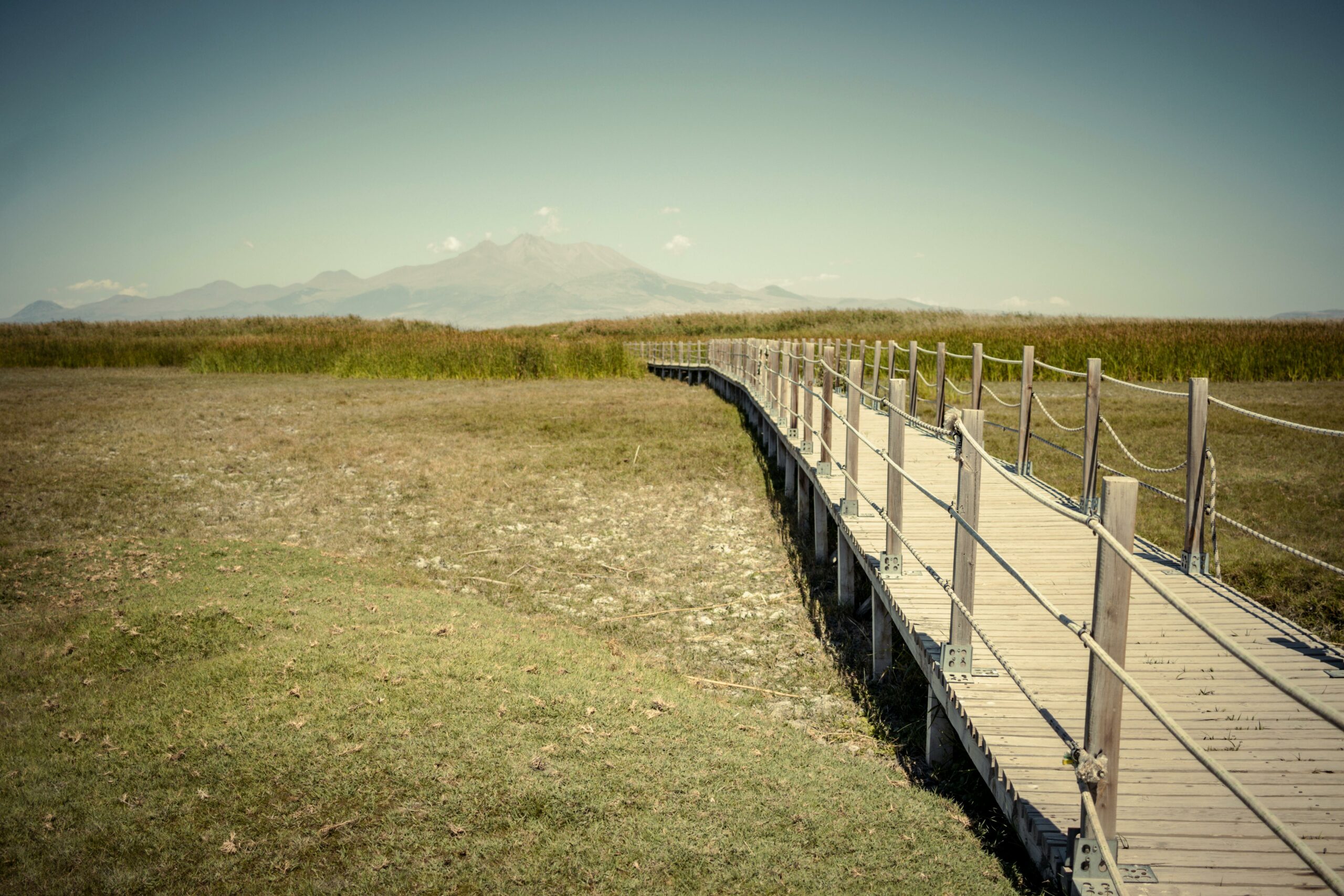
Boardwalks are rarely built on level ground. They cross wetlands, sand dunes, mangroves, mudflats, tidal zones, conservation reserves, and river crossings where you can’t bring in a concrete truck and leave a footprint behind. The foundation system has to land precisely, support the deck above without settlement, and work without disturbing what sits underneath.
That’s a different brief for a building slab. A house foundation can rely on excavation, formwork, and curing time. A boardwalk foundation usually can’t, because the crew is often working off a barge, a temporary track, or the previously installed section of the structure itself. Every pile has to land cleanly the first time, with on-the-spot verification.
Step One: Width, Loading, and Span
The first numbers any designer pins down are width, live load, and span.
- Width tells you whether the structure is a 1.5 metre walking track, a 3 metre shared-use path for cyclists, or a 4 metre access route that requires a maintenance vehicle once a year.
- Live load is determined by the design code and intended use, with pedestrian-only structures typically rated at 5 kPa and shared paths or service-vehicle decks rated higher.
- Span is the longitudinal distance between piles, and it’s the variable designers usually want to push as far as the beam structure allows. Longer spans mean fewer piles, less labour, and less environmental disturbance. Reinforced precast concrete beams will tolerate longer spans than timber, which is one reason you see longer-span boardwalks specified with engineered beam systems sitting on screw piles.
Once width, loading, and span are locked in, the structural engineer calculates the reaction at each pile head. That number is the load the pile has to carry, and it drives every decision that follows.
Step Two: Soil Conditions and Pile Depth
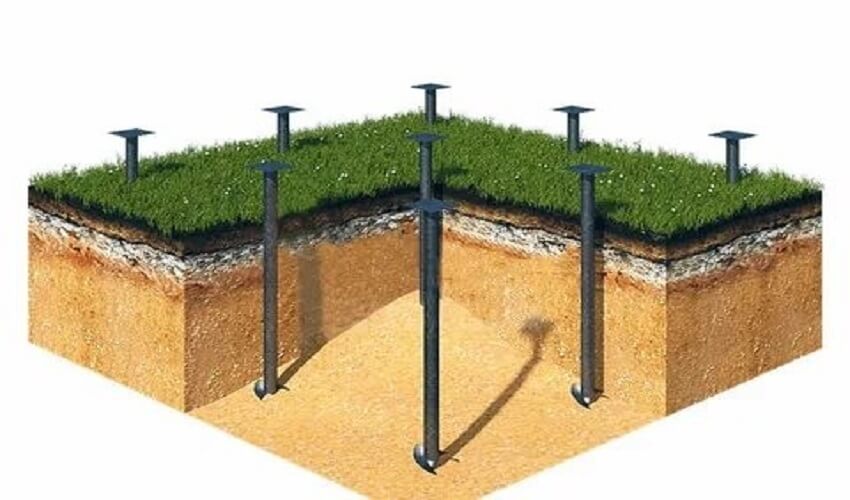
The next step is the geotechnical report. A useful geotech for a boardwalk project identifies soil layers along the profile, flags groundwater, recommends a pile type, and provides expected load capacities at depth. Without that report, the designer is left to guess.
Soil conditions vary enormously across a single boardwalk alignment. A wetland crossing might have a metre of soft peat over saturated clay over a sand layer, while a coastal walk might have loose sand over a deeper rock profile. The pile depth at any given point must reach competent ground that can carry the calculated reaction, with an appropriate factor of safety. That depth might be three metres at one bend and twelve metres at the next.
Screw piles earn an advantage here. A hydraulic torque motor measures resistance in real time as the pile is driven in, providing the installer with immediate confirmation that the pile has reached the capacity the engineer specified. There’s no waiting for static load test results, and no surprise during commissioning.
Step Three: Pile Diameter and Final Spacing
With reactions and depths known, the designer chooses pile diameter and finalises spacing. Most boardwalk loads are modest compared to building loads, so raw structural capacity is rarely what drives diameter selection. Buckling at elevated heights, lateral loading from wind or pedestrian sway, and the practical need to give the install crew a target the beam can land on tend to matter more.
Helical piles in the 70 to 150 millimetre diameter range cover most pedestrian boardwalk applications. Larger diameters provide the beam with a wider bearing surface, making installation tolerances more forgiving. Where small-diameter piles are specified for environmental reasons, a precast concrete cap or a steel bearing plate is added to provide the beam with a workable landing point.
Spacing falls out of all the above. With a known reaction per pile, a known capacity per pile, and a chosen span the beam can handle, the spacing is determined directly from the structural model. Tighter spacing means more piles and more cost. Wider spacing means fewer piles but heavier beams. The best design balances those against the soil profile and the install method.
Why Screw Piles Suit Boardwalk Foundation Systems
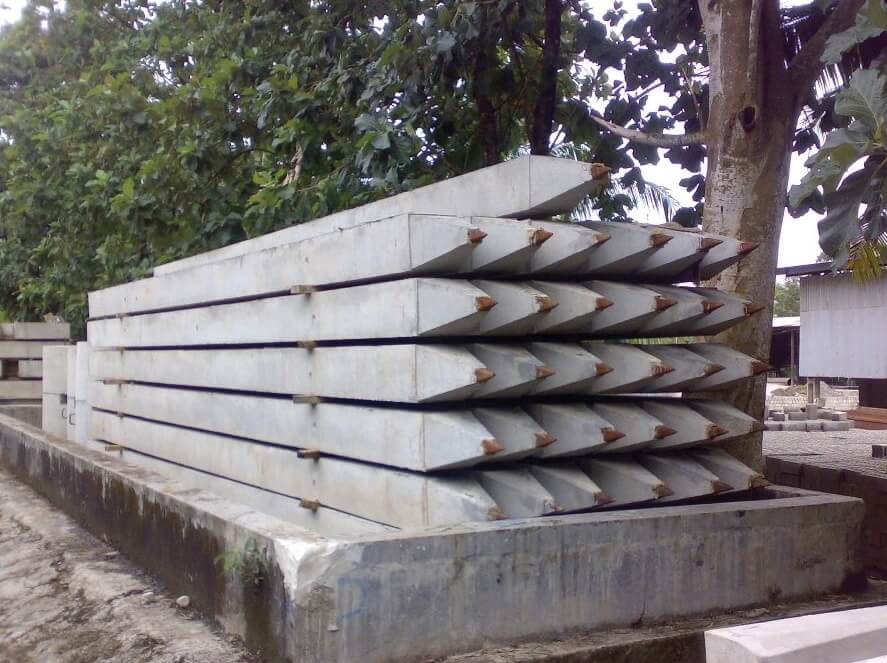
Boardwalk foundation systems live or die on installation precision. Concrete piers are slow to pour in remote or sensitive locations; timber piles are heavy to handle and have a finite service life; and driven steel can rattle the surrounding ground, damaging adjacent vegetation.
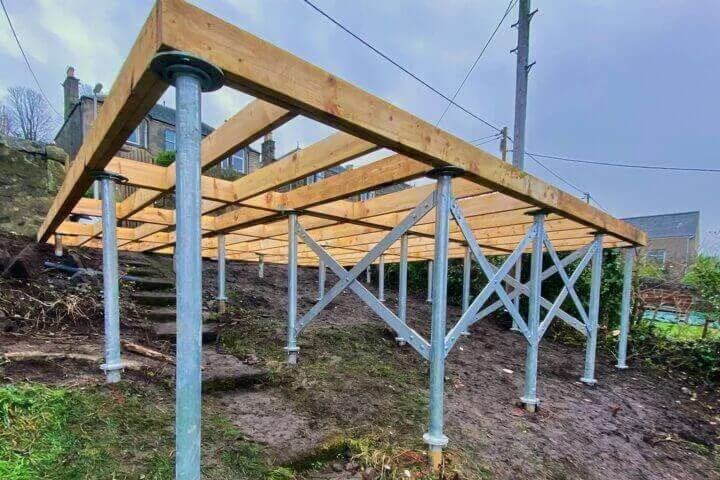
Screw piles are installed with a hydraulic torque motor that can be mounted on small excavators, mini diggers, walk-behind machines, or even hand-held drives for very tight access. They are immediately load-bearing, so the crew moves straight onto setting beams. They leave almost no spoil. And because every pile is verified by torque during screw pile installation, the engineering record builds as the project progresses.
For projects that involve a water margin, screw piling for docks and boathouses follows the same principles and uses the same product family, making Blade Pile a natural choice for combined boardwalk and waterside infrastructure.
Cost-Effective Pedestrian Bridge Foundations and Fast Installation
The bigger savings of cost-effective pedestrian bridge foundations sit in installation speed, reduced site disturbance, and the absence of long curing windows. Fast installation boardwalk foundations let the structural crew start setting beams the same day, which compresses the program and cuts the labour bill across every trade that follows.
For projects that connect into wider transport infrastructure, screw piling for road and bridge construction delivers the same speed and verification advantages on heavier loads, so the same supplier can carry the project from approach paths through to the main crossing.
Pedestrian Bridge Piling Services From Blade Pile
As the largest end-to-end ISO-certified screw pile manufacturer and installer in Australia, Blade Pile delivers pedestrian bridge piling services from design support through manufacture to installation. Every pile is engineered to AS2159-2009 and AS2870-2011, every install is torque-verified in real time, and every project is backed by ISO 9001, 14001, and 45001 quality, environmental, and safety systems.
If you’re scoping fast installation boardwalk foundations, get in touch to talk through the install constraints, and we’ll quote a foundation system that suits your site.
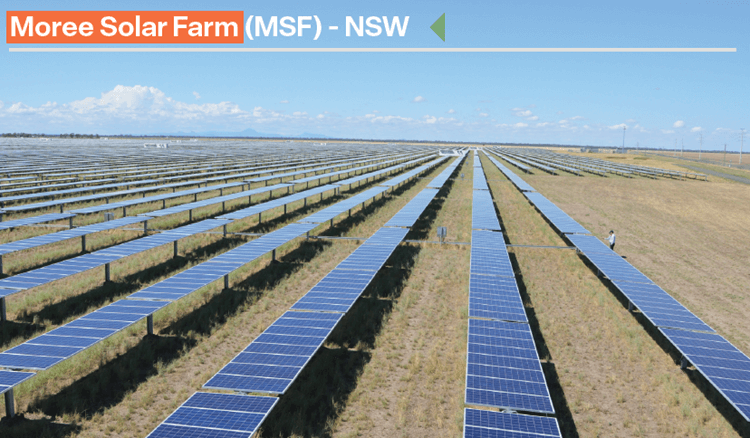
32,000 Solar Blade Piles supplied and installed
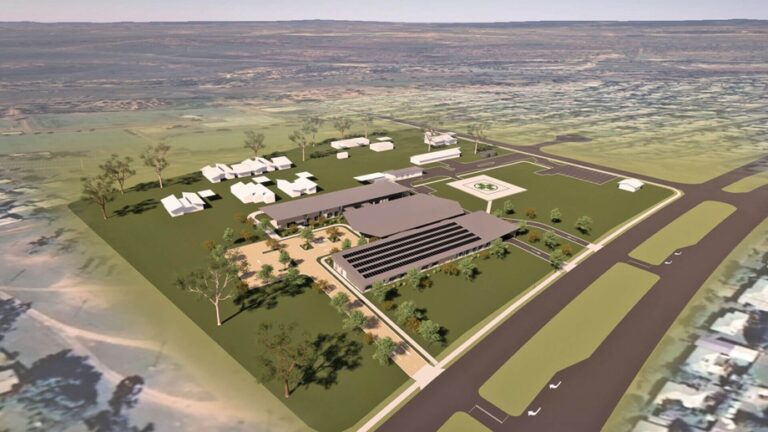
Over 500+ galvanised screw piles
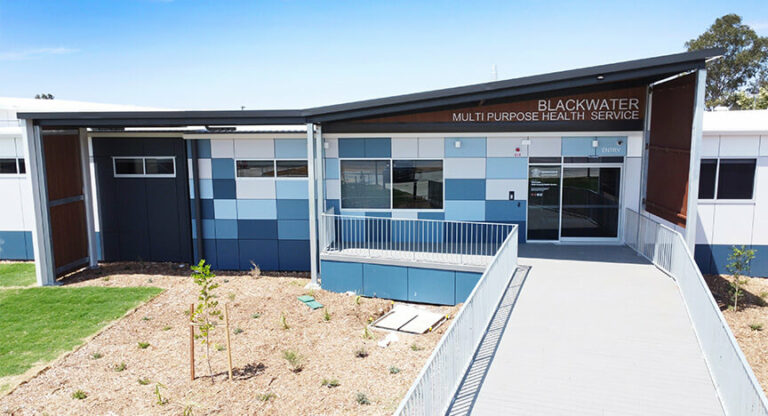
Over 275+ galvanised screw piles
Contact
Blade Pile
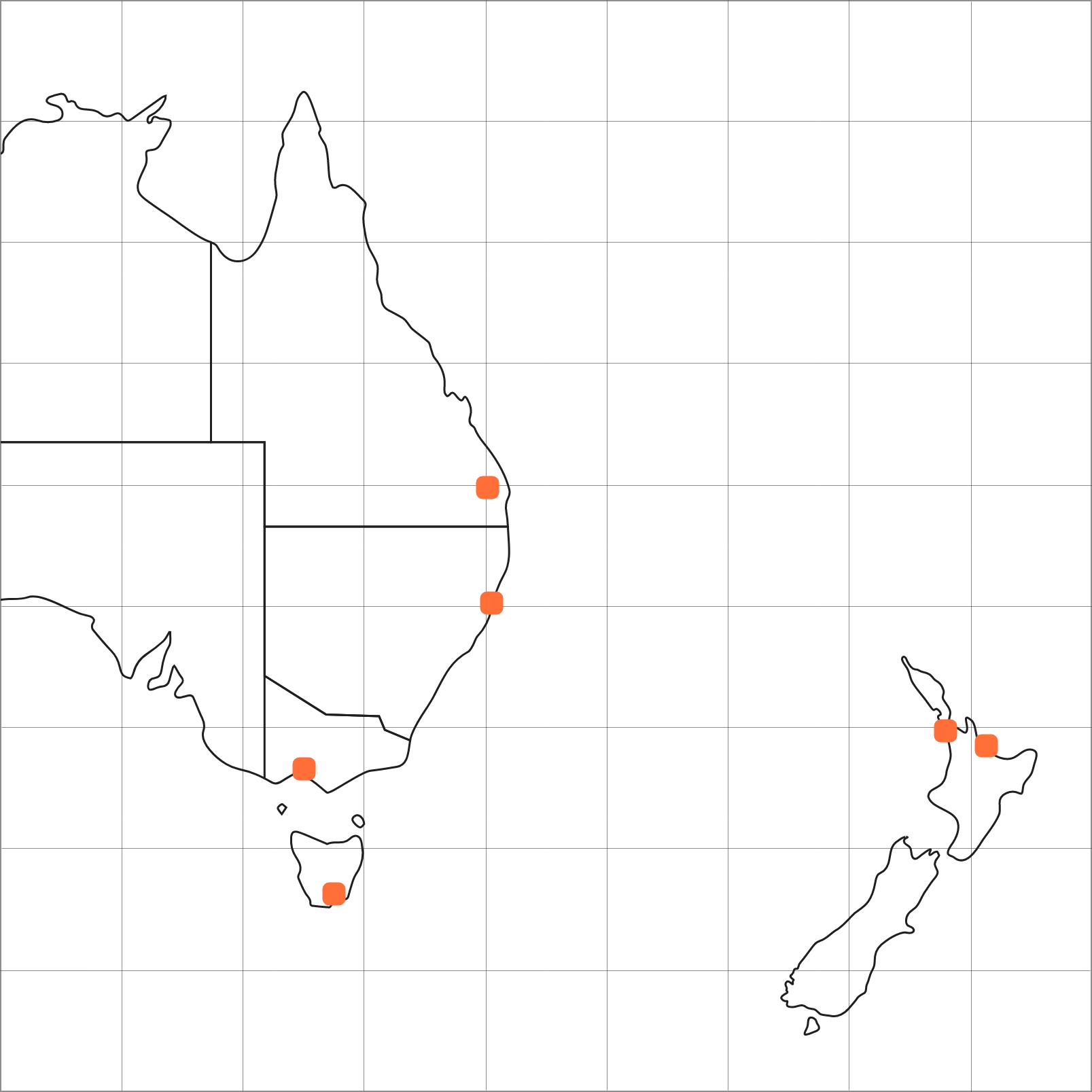
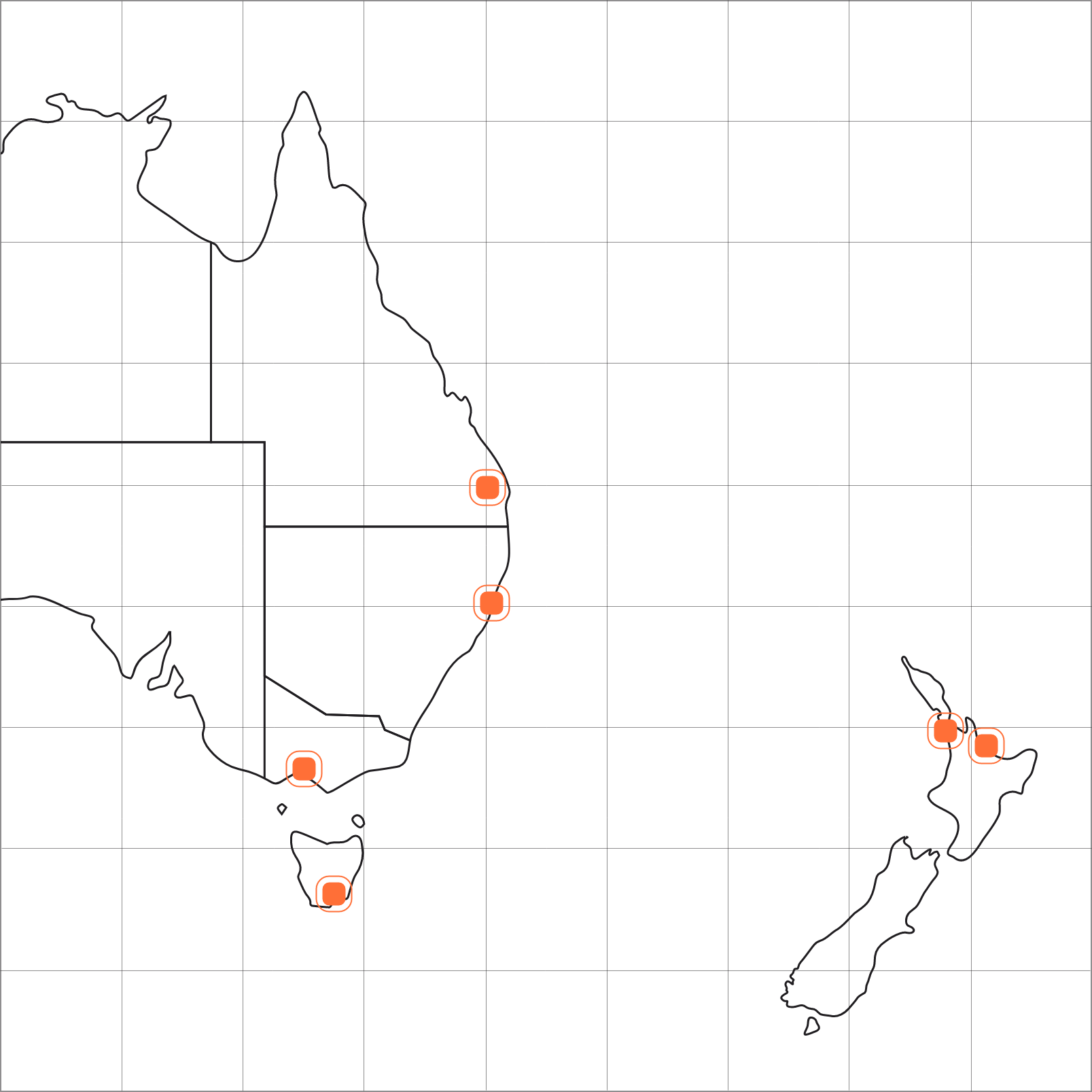
NSW Master Distributor – Solid Metal Piling
41 Topham Road, Smeaton Grange NSW 2567
TAS Master Distributor – Channel Earthmoving
Contact Us !

In his capacity as National Manager, Josh spearheads Blade Pile Group’s business development and growth into new markets.
Since joining the organisation in 2018, Josh has brought a diverse knowledge base and bank of experience in construction, business management, logistics and team leadership to the Blade Pile Group.